
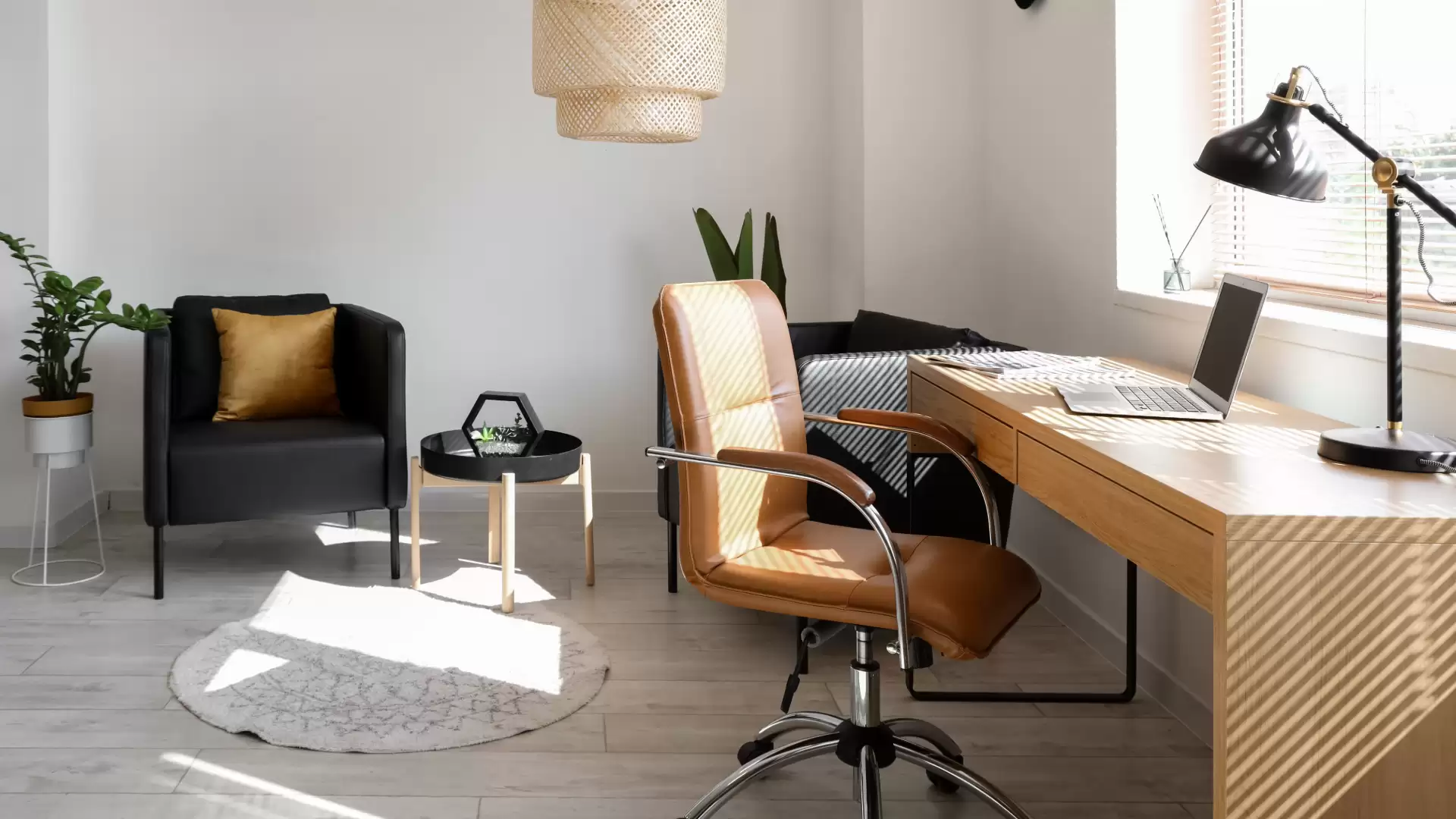
Buying furniture for your business doesn't have to drain your bank account in one hit.
Asset finance allows you to spread the cost of new furniture across regular monthly payments while preserving the capital you need for daily operations, stock purchases, and unexpected expenses. Instead of writing a cheque for $30,000 or $50,000, you can pay over time while the furniture is already working in your business.
How Asset Finance Works for Furniture Purchases
Asset finance is a loan secured against the furniture you're buying. The lender owns the furniture until you've made the final payment, which means they're taking less risk than an unsecured loan. You get to use the furniture immediately, make fixed monthly repayments over an agreed term, and own it outright at the end.
Consider a café owner in Chadstone who needs to fit out a new premises with tables, chairs, and booths totaling $40,000. Paying cash would wipe out most of their operating funds just before opening. Through asset finance, they can structure repayments over 3 to 5 years, keeping $35,000 in the bank for wages, stock, and marketing during those crucial first months.
Chattel Mortgage: The Structure Most Businesses Use
A chattel mortgage is the most common structure for purchasing business furniture. You own the furniture from day one, the lender holds a mortgage over it as security, and you claim the full GST input credit upfront if you're registered. You also claim depreciation and interest as tax deductions throughout the loan term.
The advantage here is immediate ownership combined with tax benefits that reduce the actual cost. If you're buying $25,000 worth of desks and chairs, you can claim the GST back at the next Business Activity Statement, reducing your out-of-pocket expense straight away. The monthly repayments then become partly deductible as interest expenses.
Hire Purchase: Own It at the End Without the Upfront GST
Hire purchase works differently. You don't own the furniture until the final payment, which means you can't claim the GST upfront. Instead, the GST is included in each monthly payment, spreading the cost across the life of the lease. You still claim depreciation and a portion of each payment as a deduction.
This structure suits businesses with limited cashflow who can't afford to wait months for a GST refund. The monthly payment is higher because GST is included, but there's no large upfront amount to find.
Ready to get started?
Book a chat with a Asset Finance Broker at Capacity Asset Lending today.
Matching the Finance Term to How Long the Furniture Will Last
Office furniture typically lasts 7 to 10 years, but you don't want to still be paying for chairs that are worn out. Finance terms for furniture usually run between 2 and 5 years, letting you pay off the loan well before replacement becomes necessary.
In our experience, businesses with high foot traffic or heavy use, like medical centres in Glen Waverley or busy coworking spaces in Richmond, often choose shorter terms. They know the furniture will need replacing sooner, and they don't want old debt hanging around when it's time to upgrade. A 3-year term keeps repayments manageable while ensuring the loan is cleared before the next upgrade cycle.
What About Balloon Payments?
A balloon payment is a lump sum due at the end of the loan term, typically 20% to 40% of the original loan amount. It reduces your monthly repayments but leaves you with a significant amount to pay or refinance later.
Balloon payments work for businesses that expect a spike in revenue or plan to refinance when the term ends. They don't work if you'll struggle to find $10,000 or $15,000 in a lump sum. Think carefully about whether lower monthly payments now are worth the pressure of a large payment later.
The Real Cost: Interest and Fees
Interest rates on furniture finance sit somewhere between commercial vehicle finance and unsecured business loans. You're not getting the same rate as a car loan because furniture loses value faster and is harder to repossess and resell.
Most lenders also charge an application fee and a monthly account keeping fee. Always ask for the comparison rate, which includes these fees and gives you a more accurate picture of the total cost. A loan advertised at 7.5% might have a comparison rate of 8.2% once fees are factored in.
Preserving Capital While Fitting Out a New Office
As an example, a professional services firm relocating to the Eastern Suburbs decides to upgrade all furniture for 20 staff. The quote comes in at $55,000 for desks, chairs, meeting tables, and storage. They have $80,000 in the business account earmarked for the move, fit-out, IT upgrades, and three months of operating expenses.
By financing the furniture over four years at 8% interest with a chattel mortgage, monthly repayments sit around $1,340. The GST refund of $5,000 comes back within weeks, and they still have $75,000 available for everything else. Over four years, they'll pay around $9,300 in interest, but that cost is partly offset by tax deductions. More importantly, they haven't compromised their ability to handle unexpected costs or invest in business growth during a critical transition period.
When Vendor Finance Might Be an Option
Some furniture suppliers offer their own financing, often called vendor finance or dealer finance. Approval can be faster because the supplier wants to close the sale, but the interest rate is often higher than going through an asset finance broker who can access multiple lenders.
Vendor finance makes sense when speed matters more than cost, or when a supplier is offering a genuine discount for using their finance. Always compare it against what you can access elsewhere before signing.
Capacity Asset Lending works with businesses across Melbourne and Australia to structure furniture purchases that preserve working capital and align with how you operate. Whether you're fitting out a new space in Hawthorn, upgrading a medical centre in Malvern, or furnishing a hospitality venue in Brighton, the right finance structure makes a tangible difference to your cashflow and tax position.
Call one of our team or book an appointment at a time that works for you.
Frequently Asked Questions
Can I claim tax deductions when financing business furniture?
Yes, you can claim depreciation on the furniture and deduct the interest portion of your repayments. With a chattel mortgage, you also claim the full GST input credit upfront if you're registered for GST.
What's the difference between chattel mortgage and hire purchase for furniture?
With a chattel mortgage, you own the furniture from day one and claim the GST upfront. With hire purchase, you don't own it until the final payment, and GST is spread across each monthly repayment.
How long should the finance term be for office furniture?
Most businesses choose terms between 2 and 5 years. This ensures the loan is paid off well before the furniture needs replacing, typically after 7 to 10 years of use.
Should I use a balloon payment when financing furniture?
A balloon payment reduces monthly repayments but leaves a large lump sum due at the end of the term. It works if you expect increased revenue or plan to refinance, but not if the final payment will strain your cashflow.
Is vendor finance from a furniture supplier better than going through a broker?
Vendor finance can be faster but often comes with higher interest rates. An asset finance broker can compare multiple lenders to find more suitable rates and terms for your situation.